
Finding Our Way Back to Ourselves in a World of Constant Connection

It is hard to imagine life without our phones.
They have become such an important part of how we move through the world. They help us find our way with Google Maps, navigate trails with Trailforks and Strava, capture memories, organize our calendars, keep notes, communicate with people we love, manage our work, and answer almost any question within seconds.
Technology has given us so much. It has created connection, convenience, safety, and opportunities that many generations before us never had. And yet, there is another side of this relationship that is worth exploring. Many of us have noticed how quickly our phones have become the first place we turn.
An awkward moment while waiting in line.
“Winding down” before bed.
A pause between doing work tasks.
Moments where we feel bored, uncomfortable, or restless.
Almost automatically, we reach for the screen.
This is not surprising. Our entire world has been built around technology. Our jobs, relationships, entertainment, navigation, and daily responsibilities are woven into our devices. In many ways, we need them to participate in modern life.
The question is not whether technology is good or bad. The question is: How are we relating to it? Is our technology helping us move toward the things that matter most to us? Or has it become something we reach for automatically — something that distracts us, fills space, or helps us avoid moments that might actually be important?
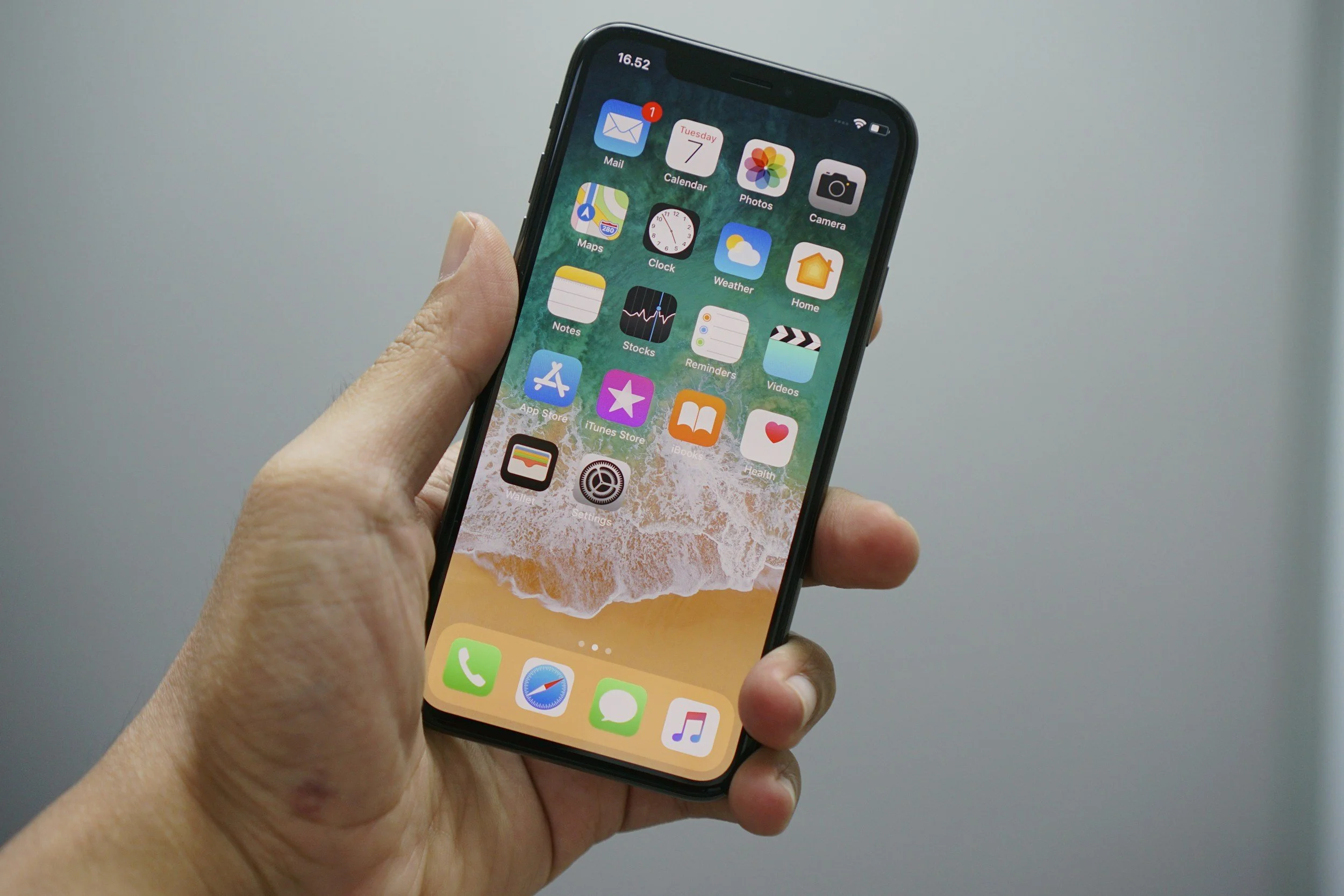
The Importance of Quiet
One of the things I often think about is how different life feels when we allow ourselves moments of quiet.
For most of human history, boredom was simply part of being alive.
People waited.
People wandered.
People sat with their thoughts.
People looked around and noticed what was happening around them.
Today, boredom can feel almost uncomfortable. We have become so used to constant input that even a few minutes of nothing can feel like something needs to be fixed.
But boredom, in the right amount, is actually healthy.
Quiet gives our minds room to breathe. It creates space for creativity, reflection, imagination, and connection.
Some of our best ideas come when we are not actively trying to create them. They come while walking, driving, showering, sitting outside, or allowing our minds to wander.
When we are constantly filling every moment, we lose some of those opportunities.
Quiet allows us to:
daydream
reflect
notice what we are feeling
connect with ourselves
become curious
reach out to others
create something new
Our brains need space.

Exploring This With My Clients
In my work with clients, our relationship with technology sometimes becomes part of a larger conversation about values, connection, and how we want to spend our lives. This is not about getting rid of phones or creating unrealistic rules. Technology is a part of our world, and for many people it is an important and valuable tool. Instead, it is about becoming curious. I often invite clients to explore questions like:
Is my technology use helping me move toward the life I want?
Is it supporting my relationships, creativity, passions, and wellbeing?
Or am I reaching for it when I feel uncomfortable, bored, lonely, overwhelmed, or disconnected?
Sometimes the phone is not really the issue. Sometimes it is that we are using it to avoid something challenging or fill an underlying need.
Maybe we are looking for connection.
Maybe we are trying to relax or rest.
Maybe we are seeking comfort.
Maybe we are avoiding something that feels difficult.
Our relationship with technology can become a doorway into understanding ourselves more deeply. But in order to learn from that relationship, we need to create a moment of awareness between the urge and the action. If we immediately reach for our phones every time we feel boredom, discomfort, loneliness, or restlessness, we lose the opportunity to pause, notice what is happening within us, and understand what we might actually need.

Where Does Our Attention Go?
Our attention is one of the most valuable things we have.
Where we place our attention shapes our experiences, our relationships, and ultimately our lives.
When our attention is constantly pulled toward notifications, scrolling, and immediate stimulation, we may slowly lose some of the things that connect us to our values. Like:
meaningful conversations
creativity
time outside
deeper learning
presence with others
connection with ourselves
This does not mean technology is always the problem. The question is whether we are using it intentionally — or whether we are using it automatically and mindlessly. Are we choosing it? Or are we reaching for it without even noticing?
Learning From Where We Are Now
Around the world, conversations are beginning about how technology, especially social media, impacts children, attention, development, and mental health. Australia has recently introduced changes around young people’s access to social media, reflecting growing concerns about how we support younger generations in navigating an increasingly digital world. Perhaps future generations will have the opportunity to learn from what we are discovering now about the impact it’s had on us:
Not that technology is always harmful. Not that we need to reject it entriely. But that we need to build a healthier relationship with it. One that is more balanced and mindful. One where technology is a tool that supports our lives — not something that constantly pulls us away from them.

A Small Invitation
The next time you reach for your phone, you might simply pause and ask: What am I looking for right now?
Am I looking for connection?
Am I looking for information?
Am I looking for inspiration?
Or am I trying to avoid a feeling, escape discomfort, or fill a quiet moment? There is no judgment in the answer. Awareness is often where change begins. Our phones can be incredible tools. They can help us explore, learn, create, and connect to others. But so much of life happens (or should be happening) away from ours screens:
In conversations.
In nature.
In creativity.
In relationships.
In moments of stillness.