
EMDR - How it Works Online and How to Incorporate Different Modalities (IFS, CBT, ACT, Somatic)
What Is EMDR and How It Can Help with Trauma, Addictions, and Substance Use Concerns — I offer In‑Person Sessions in Squamish & Online Sessions Across BC
Eye Movement Desensitization and Reprocessing (EMDR) is a well‑researched, structured therapy originally developed to help people heal from trauma and the ongoing impact of distressing memories. Today, clinicians around the world use EMDR to support clients with a range of concerns, including anxiety, intrusive memories, emotional triggers, and substance use and drinking concerns.
How EMDR Works: Beyond Talking
EMDR is based on the Adaptive Information Processing (AIP) model, which suggests that distressing or traumatic experiences can get “stuck” in memory networks in a way that keeps emotions, beliefs, and body sensations activated long after the event has passed. EMDR helps the brain reprocess those memories so they are no longer overwhelming or intrusive. Research shows EMDR is effective for trauma broadly and is recommended in clinical guidelines as an evidence‑based trauma treatment.
During an EMDR session, a therapist guides you through a set of steps — from history taking and stabilization to active reprocessing — often using bilateral stimulation (BLS). BLS might involve eye movements (following a visual cue), auditory tones, or tactile stimulation such as gentle tapping. These forms of bilateral stimulation are thought to help your brain integrate the memory in a healthier way, making it less distressing.

Not Just Trauma — How EMDR Affects Beliefs and the Body
EMDR doesn’t just help reduce emotional intensity. Many people notice that core beliefs connected to traumatic experiences — like “I am unsafe” or “I am unworthy” — become less automatic after processing. Memories that once triggered intense emotions can become neutral background events when they no longer have the same charge.
Some clinicians also conceptualize how EMDR interacts with the nervous system. Distressing memories often live not just in thoughts, but in the body — in tension, activation, or defence responses. EMDR can help shift how the body and brain hold these experiences.
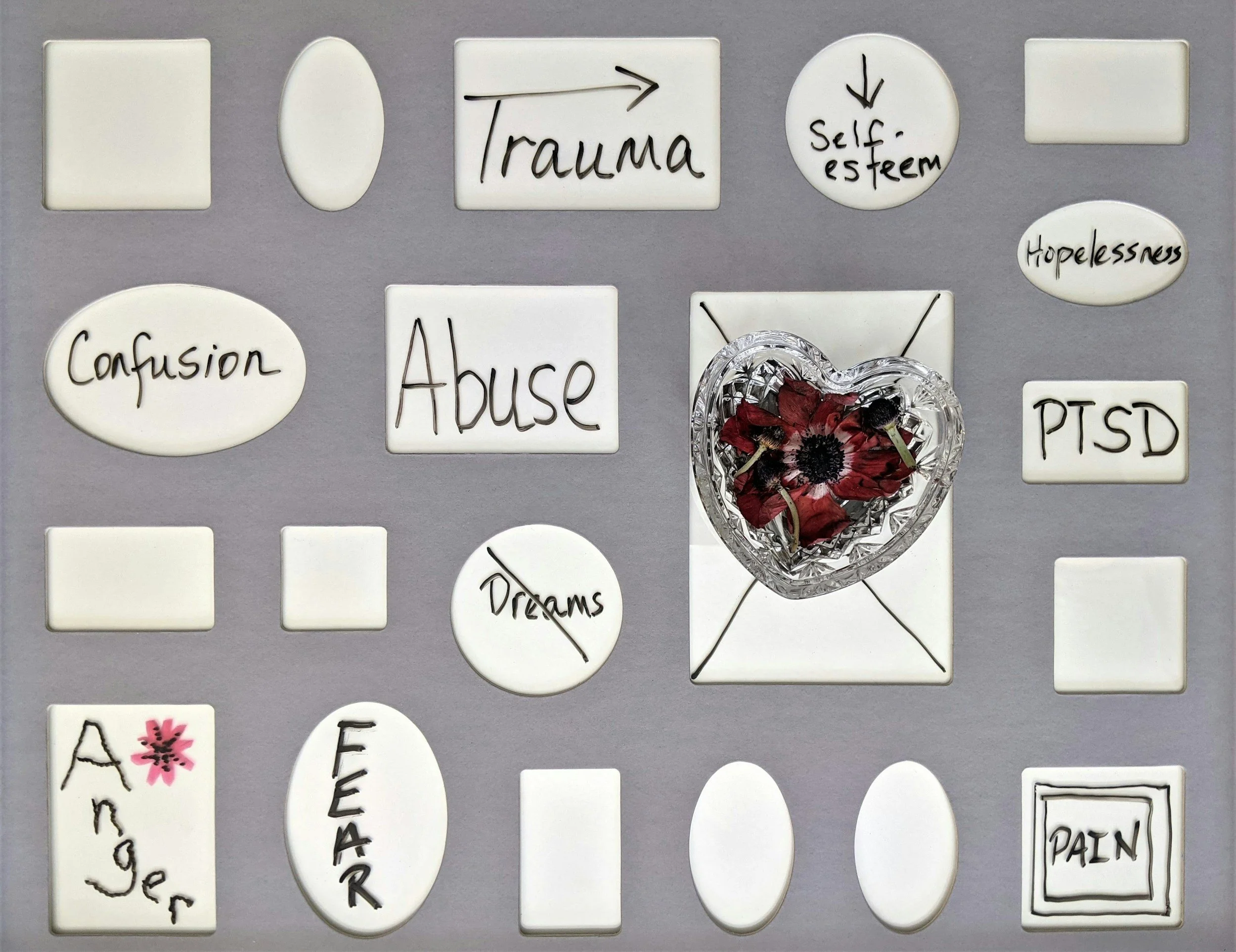
Different Trauma Profiles: Single Incident vs. Complex
Not all trauma is the same, and EMDR can be tailored:
Single‑incident trauma — a discrete event like an accident or loss. After stabilization, EMDR often targets one or a few specific memories and can move through reprocessing with clear targets.
Complex trauma — ongoing or repeated adversity (e.g., prolonged relational hurt). Here, more time may be spent building resources, regulation skills, and stability before deep reprocessing begins. Pacing, nervous system support, and collaboration are key.
Tailoring allows EMDR to stay effective and safe, especially when trauma is long‑standing or intertwined with patterns of coping over time.

EMDR for Substance Use and Drinking Concerns
EMDR isn’t only for trauma — it is increasingly being used to help people with substance use concerns and addiction‑related challenges too.
The Link Between Trauma and Substance Use
For many people, substance use can be a way of coping with underlying distress, mood states, or painful memories. EMDR helps by addressing driving emotional triggers and memory networks that can maintain those patterns. Some research suggests that EMDR can reduce cravings and emotional symptoms connected with substance use disorder. One meta‑analysis found significant reductions in craving for people with substance use concerns when treated with EMDR.
Other clinical studies note that people with both trauma and substance use concerns may see improvements not only in PTSD symptoms but also in emotion regulation and quality of life when trauma‑focused work is included in treatment.
This doesn’t mean EMDR “cures” addiction, but it can be a valuable part of a broader, individualized recovery plan — often paired with skills work and therapeutic support that addresses behaviour patterns, triggers, and present‑day challenges.

Online EMDR: Research and What It Feels Like
Especially since the pandemic, EMDR has been adapted for remote delivery across British Columbia — offering support to clients who prefer or need online sessions. Emerging research shows that when done remotely, EMDR therapy can produce outcomes similar to in‑person work for trauma, anxiety, and related symptoms when delivered skillfully and with appropriate safety planning.
Online EMDR typically uses:
Screen‑based guided eye movements (watching a moving object or cursor)
Auditory bilateral tones through headphones
Self‑tapping (butterfly hug or back and forth tapping on your knees, you do while following the therapist's prompts)
Practically, we use tools like remote bilateral stimulation platforms or shared screens to deliver the experience in a way that feels safe and effective.
The key is not where the therapy happens, but that you feel supported, regulated, and connected to your therapist throughout the process.

Why I Combine EMDR with IFS and Practical Tools
Internal Family Systems (IFS) is a complementary approach that helps you understand the parts of you — the protectors, exiles, and managers that influence your coping patterns. When working with trauma or substance use concerns:
EMDR can help reprocess specific distressing memories or triggers at a neurological level.
IFS helps you understand the internal relationships between parts — for example, why some parts may protect you by driving avoidance or coping patterns.
Many clients find that integrating IFS with EMDR allows both deep memory processing and greater internal harmony.
In addition to these deeper approaches, we also integrate present‑moment tools — grounding techniques, breathing and autonomic regulation strategies, somatic awareness, and cognitive reframing — so you have skills you can use right now as you navigate day‑to‑day challenges.

What EMDR Therapy Feels Like
EMDR isn’t a one‑size‑fits‑all process. Some people find bilateral stimulation (eye movements, tones, tapping) feels grounding and effective. Others need adaptations — more somatic or auditory‑based methods, pacing adjustments, or additional stabilization before memory processing begins. We find what works best together, guided by your unique nervous system and needs.
Remember: reprocessing isn’t about reliving distress — it’s about finding safety in your body, and gently unlocking old material, and relating to it differently, so it no longer holds you captive.
Is EMDR a good fit for what I am looking for?
EMDR is a validated therapeutic approach for trauma and related emotional concerns; emerging evidence also supports its use in addressing substance use and craving patterns when it is part of a comprehensive plan. It can be tailored for individuals at different stages of healing — whether you are working in‑person in Squamish or remotely across BC.
Together with modalities like IFS and present‑moment regulation skills, EMDR can help you move toward clarity, resilience, and more freedom in your life.